
Current
-

Dr Lavenia Ratnarajah
I completed my PhD in 2017 at the University of Tasmania investigating iron recycling by marine animals in the Southern Ocean. In 2023, I was awarded an Australian Research Council Discovery Fellowship alongside Prof’s Andrew R. Bowie and Kerrie Swadling (UTAS), and Prof Alessandro Taglibue (University of Liverpool). Through this grant, I am supervising Millie and Knut on their postdoctoral and PhD projects respectively. Aside from this, I am involved in several project that investigate iron and carbon cycling in marine ecosystems, and am currently leading a study on the role of mesoscale eddies in driving carbon export.
-

Knut Heinantz
PhD student
Knut started his PhD in November 2023 and immediately headed to Antarctica to undertake the fieldwork component of his PhD project. He has extensive experience in field-going expeditions, accumulating over 300 days at sea as part of his multidisciplinary projects, such as Trophic transfer efficiency in the Benguela Upwelling System (TRAFFIC) with the German Institute of Marine Ecosystems and Fisheries Science (IMF). Knut’s PhD project is investigating the drivers of iron content in marine zooplankton in the global ocean.
-
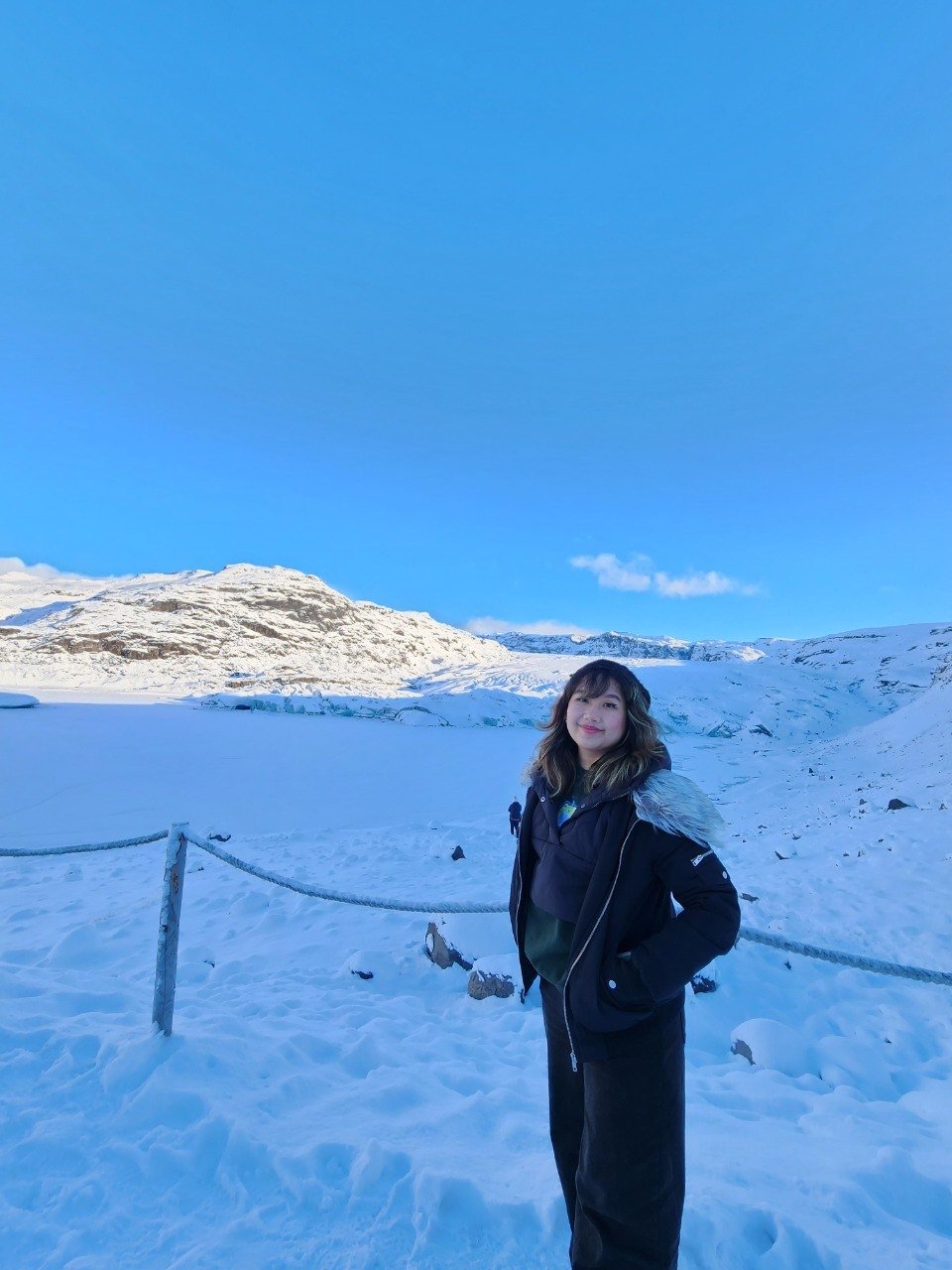
Sabrina Sofea Binti Aliff Raziuddin
Sabrina began her PhD in May 2025 as part of the Sea Ice Mass Balance Assessment: Southern Ocean (SO-SIMBA) program. Her research focuses on applying GPSat, a Gaussian Process-based interpolation framework, to generate high-resolution, daily maps of Antarctic sea ice thickness. As part of this work, she is integrating and interpolating data from three different satellite missions, effectively merging multiple observational datasets into a consistent, spatially complete product. Sabrina’s project supports broader efforts to understand the evolution of Antarctic sea ice and will contribute to future studies on the sea ice budget, including growth, melt, and transport processes, and their links to Southern Ocean dynamics. Sabrina is primarily supervised by Prof Michel Tsamados, and co-supervised by myself and Dr Alessandro Silvano (University of Southampton).
Past
-

Dr Abigail R. Smith
PhD student
Abbie’s PhD project investigated the distribution and availability of iron in the Antarctic coastal ocean. She considered geological and biological sources from sea ice and sediments to pelagic recycling by higher trophic levels, with a focus on bioavailability through complexation by iron-binding ligands. She completed her PhD in August 2022 and commenced a post-doctoral position at the Australian Antarctic Program Partnership. Recently, she was awarded an on-going position as a Fisheries Acoustics Scientist, working with the Australian Antarctic Division to sustainably manage the Antarctic krill fishery and conserve marine ecosystems in the Southern Ocean.
-

Talitha Nelson
Honours student
Talitha’s Honours project quantified iron recycling versus carbon export by Antarctic krill, Euphausia superba. She recently started her PhD project at the University of Tasmania.
-

Amy Lawrence
Honours student
Amy’s Honours project examined the variability in iron content in Southern Ocean salps, Salpa thomsoni.
-
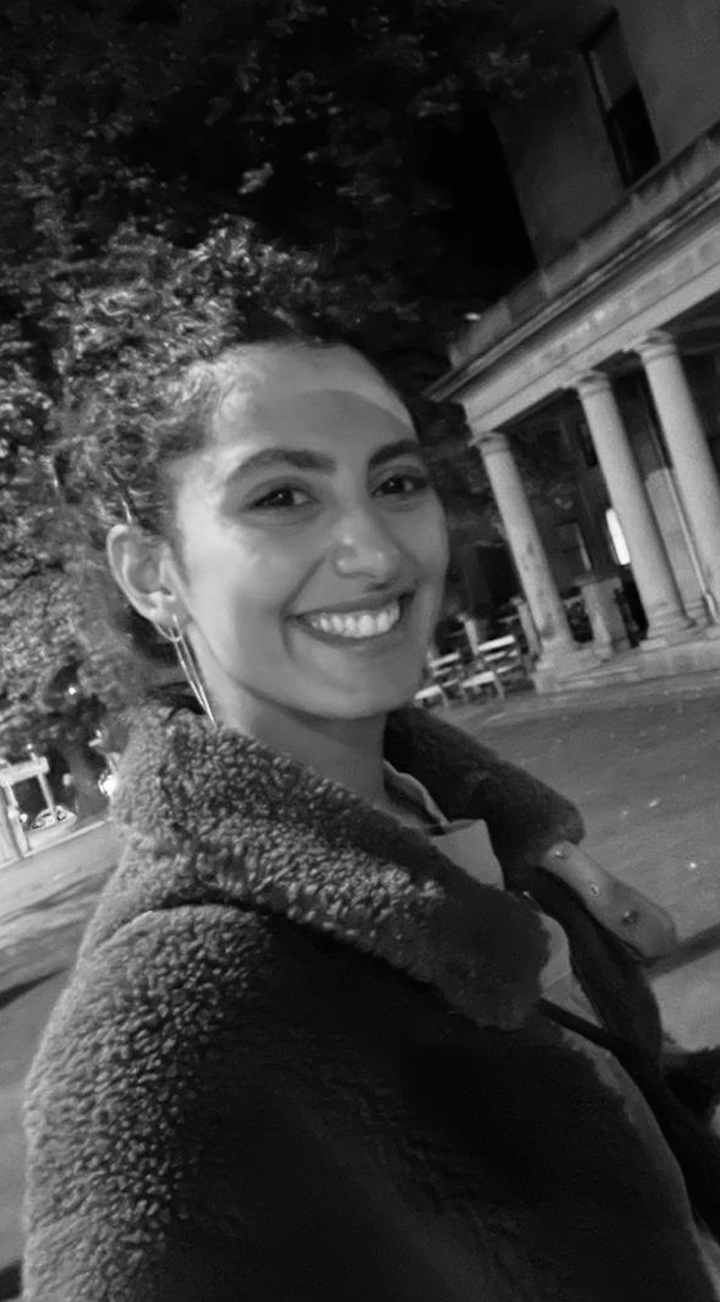
Reh Alghamdi
Reh was a Masters student investigating the organic link between oceanic food web processes and nutrient cycling in the Southern Ocean. The project aimed to determine the production of humic like substances and reduced sulfur substance by Antarctic krill and Antarctic heterotrophic bacteria under different temperatures. Through this research, we hope to better understand the role of zooplankton and bacteria in shaping the nutrient recycling in the Southern Ocean.
-
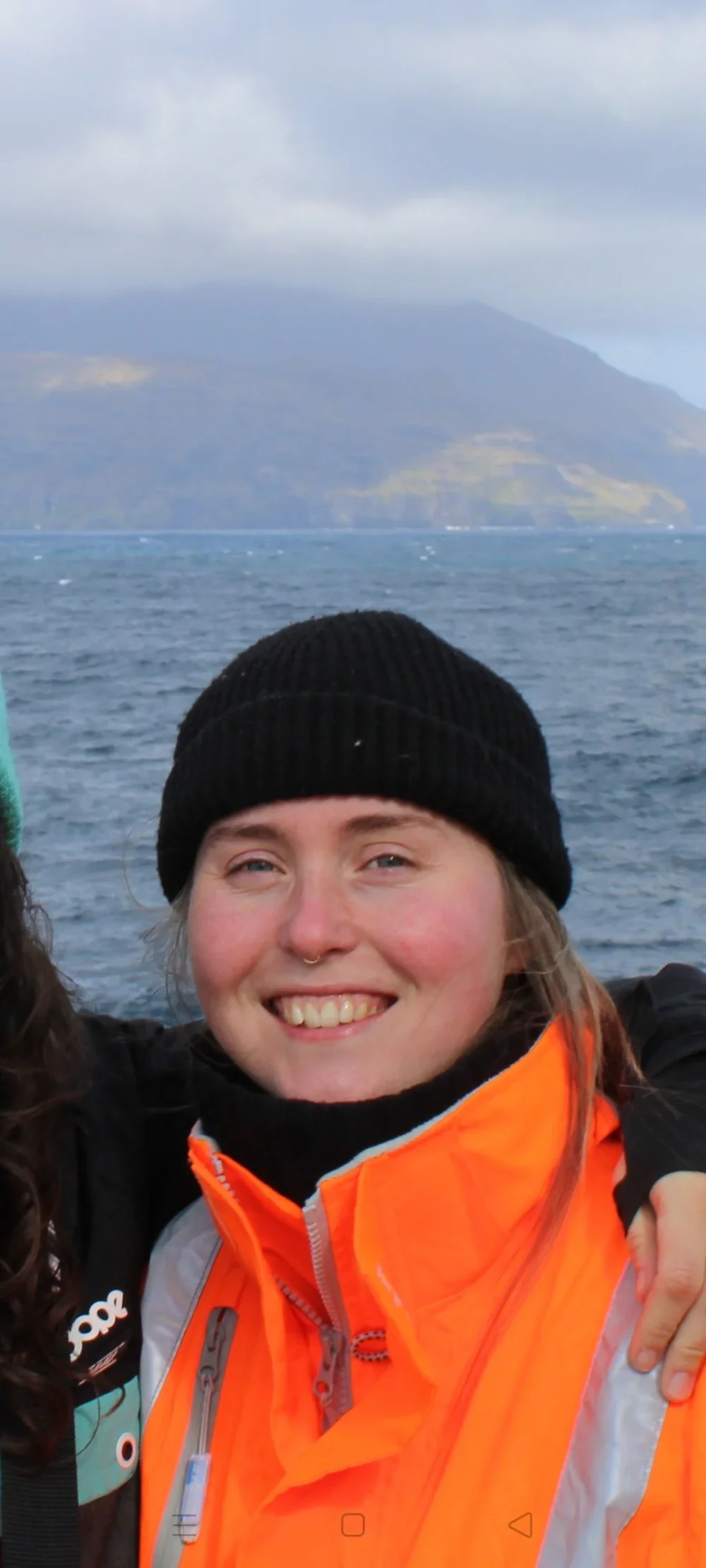
Dr Millie Goddard-Dwyer
Millie Goddard-Dwyer was a post-doc quantifying the impact of ocean warming, food quality and food quantity on zooplankton driven iron and carbon cycling.